
When the Power Went Out, Delta Interfaith Showed Up
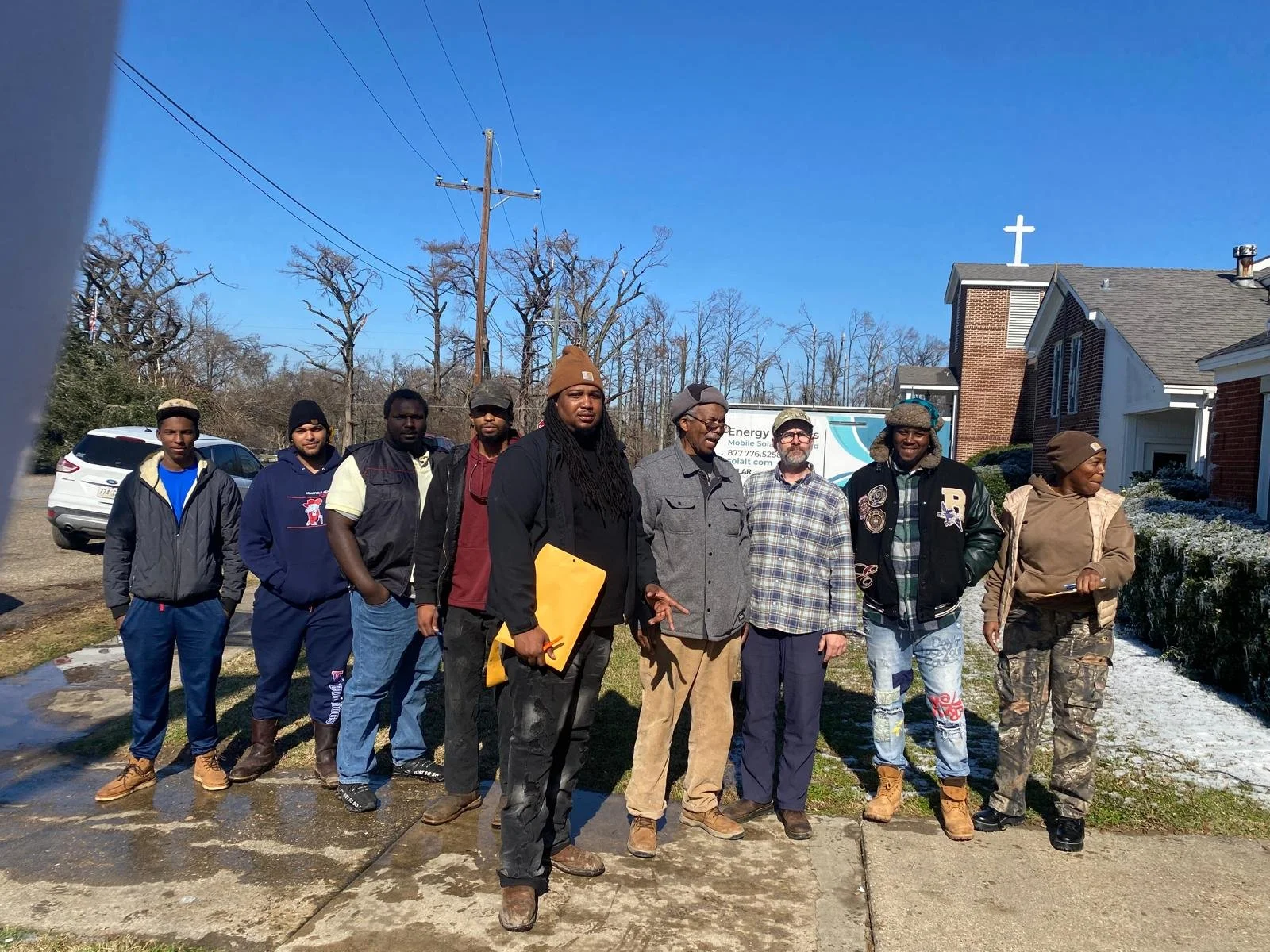
When Winter Storm Fern swept across North Louisiana, it brought more than ice, freezing temperatures, and dangerous roads. It exposed how quickly a crisis can become life-threatening when families lose heat, transportation, food, water, communication, and access to medical support.
But in the Louisiana Delta, the storm also revealed something powerful: organized communities know how to respond.
As outages and dangerous conditions spread, Delta Interfaith leaders began doing what organized people do best — checking on neighbors, identifying urgent needs, coordinating support, and making sure vulnerable residents were not left to face the crisis alone.
In Lake Providence and surrounding communities, that response included outreach to residents, phone banking, coordination with emergency partners, and preparing portable battery systems for households with medical devices that needed power. For people facing dangerous cold, medical vulnerability, spoiled food, transportation barriers, and utility strain, that kind of response was not symbolic. It was practical, urgent, and rooted in real relationships.
Winter Storm Fern made clear that resilience is not only about emergency declarations or outside aid. Resilience is also about trusted local leaders who know their communities, institutions that can act quickly, and organized people with the discipline to respond when systems are under stress.
That is why Delta Interfaith’s work matters. The same organizing that helps rural communities fight for broadband, utility accountability, and public investment also helps communities respond when disaster strikes. Long before a crisis, relationships are being built. Leaders are being trained. Institutions are learning how to act together.
The lesson from Winter Storm Fern is simple: people should not have to face emergencies alone. With organized leaders, trusted institutions, and practical tools, communities can protect vulnerable residents, respond faster, and build the power needed to demand stronger systems before the next crisis comes.
